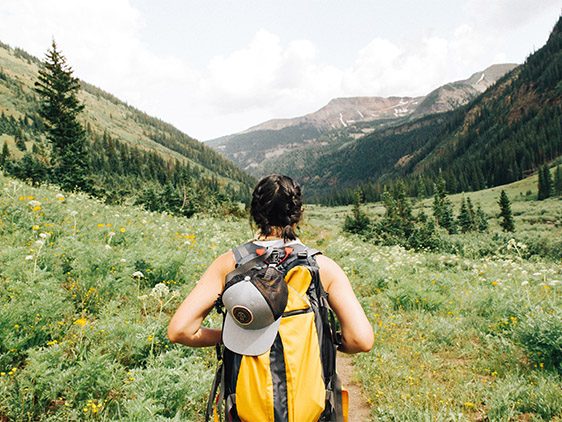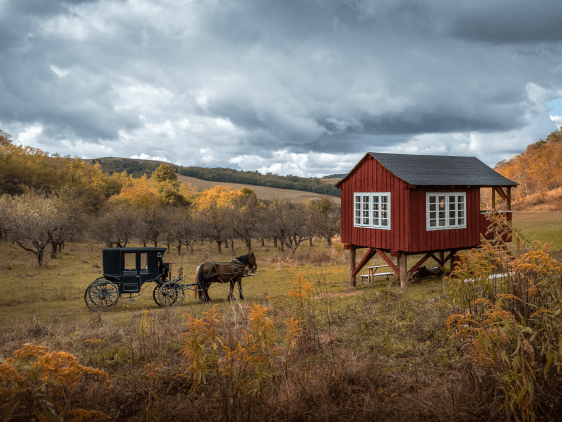
Christmas in Romania is a magical time when ancient traditions, snowy landscapes and warm hospitality come together to create a truly special experience. From village carols to festive feasts, it’s a season that captures the heart of Romanian culture.
Key takeaways:
- Authenticity: Discover centuries-old customs still alive in rural Transylvania;
- Flavours: Enjoy traditional dishes like sarmale, cozonac, and mulled wine;
- Community spirit: Join locals in joyful carols and winter celebrations;
- Nature: Experience the beauty of snow-covered hills and fairytale villages;
- Sustainability: Learn how eco-tourism and slow travel bring new meaning to Christmas in Romania.
- Christmas in Romania – the heart of Romanian winter celebrations
- Transylvanian Christmas – mystical celebrations in historic lands
- 10 Romanian Christmas customs that define the festive season
- Christmas traditions in Romania – from carols to festive feasts
- Christmas in Bucharest – celebrations and urban festivities
- Romanian Christmas customs beyond Christmas Day
- Experiencing authentic Romanian Christmas traditions today
- How to experience these traditions yourself?
- Frequently asked questions about Christmas in Romania
Christmas in Romania – the heart of Romanian winter celebrations
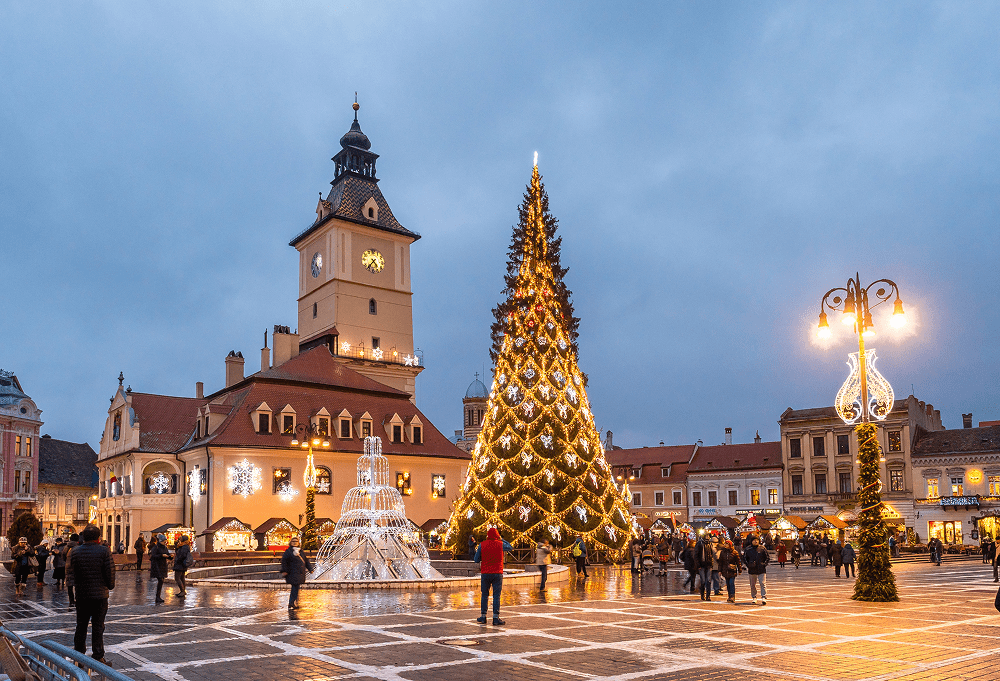
In Romania Christmas is more than a festive date on the calendar — it’s the heart of the winter season, a time when ancient customs meet heartfelt hospitality. The celebration brings together family, faith and folklore, turning even the smallest village into a vibrant scene of music, food and joy.
Across the country each region adds its own flavor to the celebration:
- Transylvania: Christmas is a blend of Romanian, Saxon, and Hungarian influences. Villages come alive with carolers dressed in traditional costumes, carrying bells and lanterns and going from house to house, singing old songs. Families gather for generous meals of sarmale, roast pork, and cozonac. The evenings often end around the fireplace, with folk tales, laughter, and plum brandy (țuică) shared among neighbors;
- Moldavia: Christmas is full of color and noise. The Ursul (bear dance) and Capra (goat dance) dominate the celebrations, turning streets into open-air stages. These ancient rituals are believed to drive away evil spirits and bring luck for the new year. Hosts welcome performers with food, wine, and laughter;
- Maramureș: Known for its wooden churches which glow with candlelight and strong spiritual traditions, as families gather for midnight services and share homemade dishes afterward, Maramureș celebrates Christmas with reverence and community spirit. The church plays a central role — villagers attend mass wearing embroidered coats and fur hats;
- Bucovina: This region preserves some of the most spiritual and artistic customs. Homes are decorated with handwoven fabrics and pine branches, and families share traditional dishes like ciorbă rădăuțeană (chicken soup) and smoked trout. The atmosphere is peaceful and poetic, shaped by the rhythm of carols and the glow of candlelight;
- Oltenia and Muntenia: In southern Romania people mix religious devotion with vibrant festivity. Markets open early in December, offering handmade crafts, sweets and mulled wine. Carolers visit each home and the celebration continues until New Year’s Eve with dancing, fireworks and local music;
- Banat and Crișana: Here Christmas traditions blend Romanian roots with Central European elegance. Families decorate their homes with fir branches and candles, bake layered pastries and sing both Romanian and German carols. The season emphasizes warmth, hospitality and family unity.
At its core, Christmas in Romania remains a celebration of community and gratitude. It’s about reconnecting with one another, sharing homemade food and stories by the fire and finding beauty in the simple moments — from the smell of pine and cinnamon to the sound of children’s laughter echoing through the snow-covered streets.
Transylvanian Christmas – mystical celebrations in historic lands
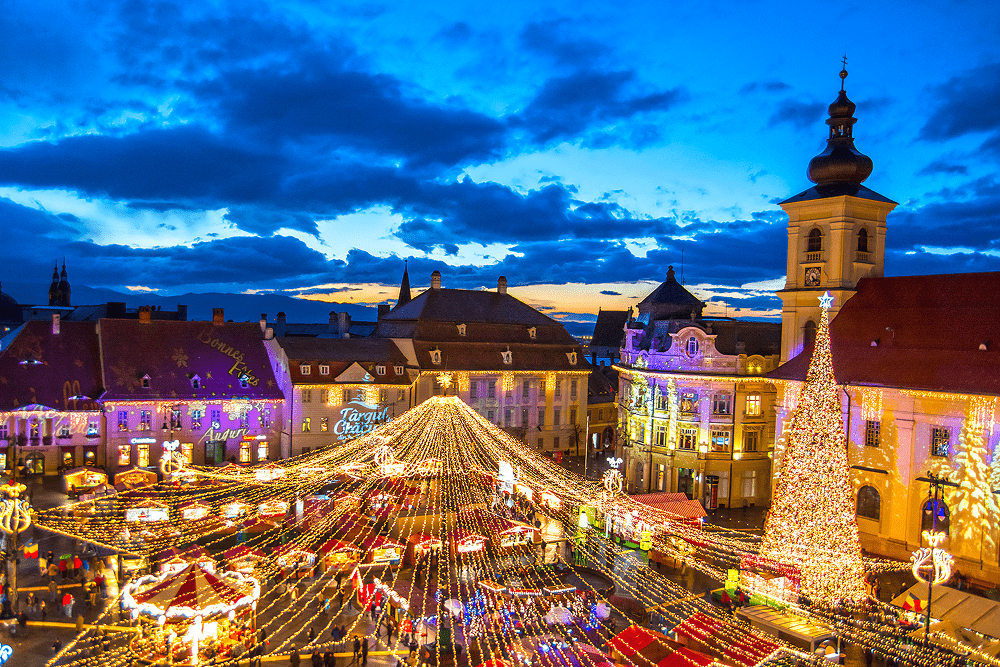
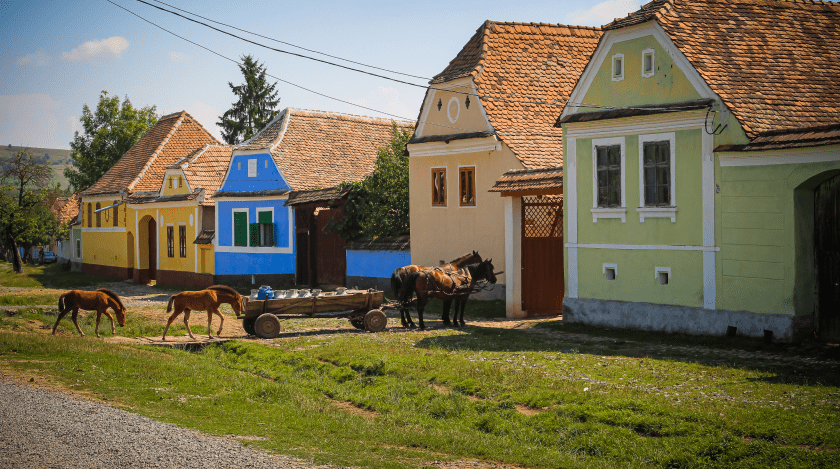
Transylvania, a region wrapped in mist and legend, offers one of the most enchanting Christmas experiences in Europe. Here the celebration feels timeless — where medieval villages, Gothic churches and snowy forests set the stage for a winter story filled with warmth, faith and folklore.
The charm of village life
In Transylvanian villages, Christmas traditions have been preserved for centuries. Locals prepare days in advance, decorating their homes with fir branches, embroidered tablecloths, and candles. On Christmas Eve groups of carolers (colindători) dressed in traditional wool garments walk through the snow, singing ancient carols that echo softly between wooden houses and church towers.
Multicultural heritage
The region’s unique mix of Romanian, Hungarian and Saxon cultures gives Transylvania’s Christmas its distinctive flavor. In Saxon villages such as Biertan or Viscri, Lutheran and Orthodox communities celebrate side by side — the air filled with organ music, bell chimes, and the aroma of homemade pastries. Hungarian villages host Betleem plays — folk re-enactments of the Nativity — while Romanian communities hold midnight mass and gather afterward for festive meals.
Festive cuisine and togetherness
Food brings everyone together during the holidays. Tables overflow with sarmale, roasted pork, smoked sausages and freshly baked cozonac. Every dish carries a story — of family, faith, and gratitude for the harvest. Guests are always welcome. Sharing food and laughter with neighbors is considered a blessing.
Winter landscapes and peaceful retreats
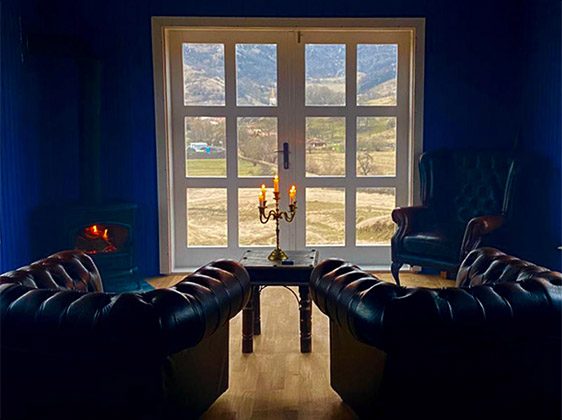
Transylvania’s snow-covered hills, fortified churches and forests create a postcard-perfect Christmas setting. In Transylvania, Christmas is not just celebrated — it’s felt. It’s a journey through history and heart, where tradition and tranquility meet, offering a rare glimpse into a world where time seems to stand still under the glow of candlelight and snow. Many visitors travel here to experience authentic rural life — horse-drawn sleigh rides, open fires and the quiet beauty of starry winter nights. In places like Valea Verde the celebration feels almost mystical, where the stillness of nature deepens the meaning of every song and smile.
Embrace the magic of holidays in the heart of Transylvania! Discover the Christmas at Valea Verde experience and enjoy authentic traditions, local cuisine and cozy moments surrounded by nature. Celebrate Christmas at Valea Verde!
10 Romanian Christmas customs that define the festive season
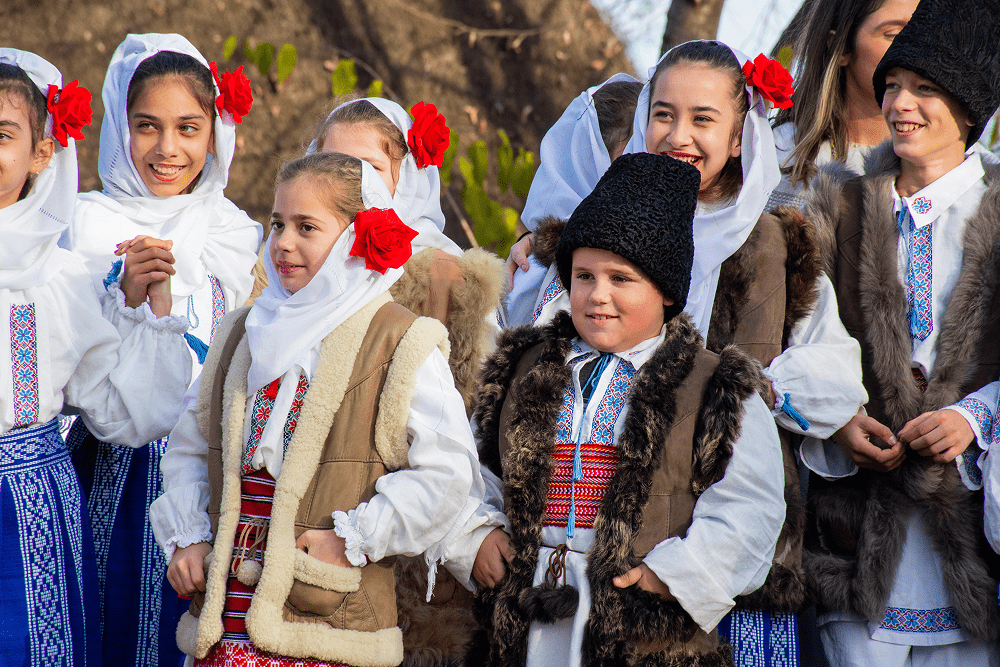
Romania’s Christmas season is filled with traditions that beautifully blend Christian faith and ancient folklore. Each custom reflects a deep respect for community, nature and renewal — values that have been passed down through generations. Here are ten of the most beloved Romanian Christmas customs:
| Custom | Description |
| Caroling (“Colindatul”) | Groups of children and adults go from house to house, singing carols that share messages of faith, hope and joy; hosts offer them sweets, apples or homemade bread as a token of appreciation |
| The “Capra” dance | A centuries-old folk performance where one person wears a goat costume decorated with beads and bells; the dance symbolizes fertility, abundance and the renewal of nature |
| The “Ursul” ritual (The Bear Dance) | Performed mostly in Moldova and Bukovina; villagers dress in bear skins and reenact ancient rituals meant to chase away evil spirits and welcome a prosperous new year |
| Preparing “Ignat Day” feast (December 20) | Families traditionally butcher a pig and prepare winter delicacies, such as sausages, piftie (meat jelly) and smoked ham — a symbol of abundance and unity |
| Decorating the Christmas tree | Though a newer addition, decorating the tree has become a beloved ritual, often accompanied by carols and warm drinks shared by the family |
| Baking “cozonac” | A sweet, rich bread filled with walnuts, cocoa or Turkish delight; every household has its own family recipe passed down through generations |
| Attending midnight mass | On Christmas Eve people gather in churches across the country to celebrate the birth of Christ with candlelight and traditional hymns |
| Wearing traditional costumes | In rural areas locals dress in embroidered garments, often handmade, reflecting the region’s specific patterns and symbols |
| Visiting family and neighbors | Christmas is a time for connection; people visit loved ones to share blessings, stories and homemade food |
| Folk plays (“Irozii”) | Young people perform short dramatizations of the Nativity story and local legends, combining humor, music and spirituality |
These customs create a sense of continuity and belonging, reminding Romanians everywhere that Christmas is not just celebrated — it’s lived through music, food, community and faith.
Turn your Romanian Christmas journey into a true retreat! Stay at Valea Verde and experience the warmth of Transylvanian hospitality, authentic cuisine and nature at its most peaceful! Book your stay at Valea Verde!
Christmas traditions in Romania – from carols to festive feasts
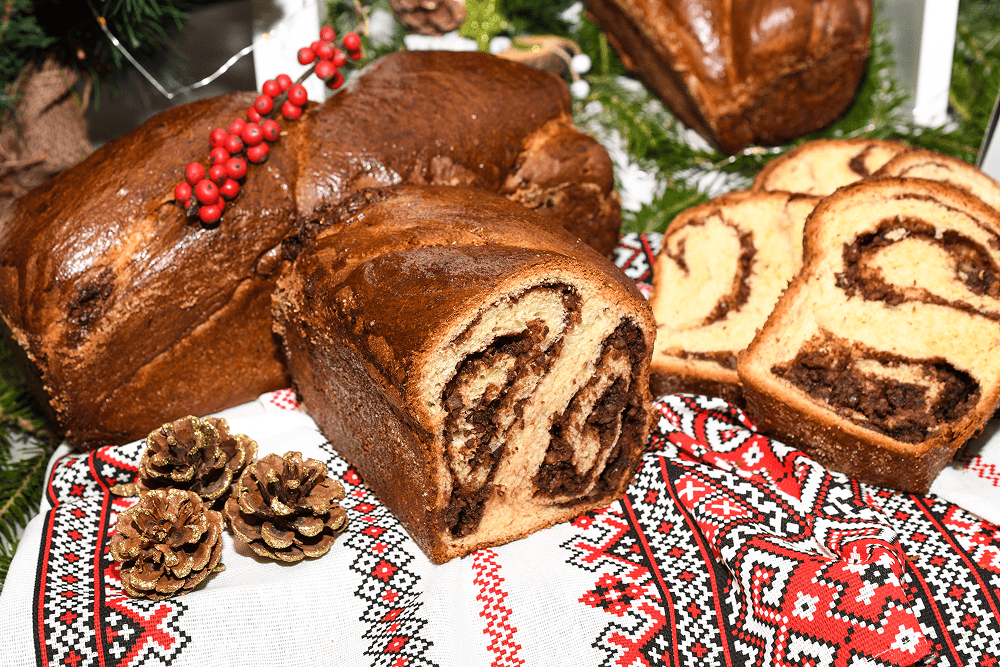
Romania’s Christmas celebrations beautifully combine spirituality, folklore and culinary abundance. Every detail — from the sound of ancient carols to the scent of freshly baked cozonac — reflects a deep connection between people, faith and the land.
Caroling – the soul of Christmas
Caroling (colindatul) is one of the oldest and most cherished customs. Groups of children and adults go door to door, singing songs that bless each home with health, happiness and good fortune. In rural villages the carolers wear traditional costumes and are rewarded with apples, nuts and homemade bread.
The festive table
Food plays a central role in Romanian Christmas celebrations. After a 40-day fasting period, Christmas Day marks a joyful feast shared with family and friends. Typical dishes include:
- Sarmale – cabbage rolls stuffed with minced meat and rice, slowly cooked in clay pots;
- Ciorbă de perişoare – a hearty meatball soup, flavored with vegetables and herbs;
- Piftie – traditional meat jelly served cold;
- Cozonac – sweet bread filled with walnuts, cocoa or raisins;
- Vin fiert – mulled wine infused with cinnamon, orange and cloves.
Each recipe is tied to family memory, prepared days in advance with care and love.
Faith and community
Christmas in Romania begins with the church service on Christmas Eve or early Christmas morning. Villagers gather in candlelit churches to celebrate the Nativity, followed by festive visits to relatives and neighbors. This spirit of togetherness — offering food, singing and sharing blessings — is what truly defines the Romanian way of celebrating.
The joy of giving
Beyond the rituals and recipes, Christmas in Romania carries a profound sense of generosity. Many families take part in local charity drives, donate food to those in need or host community dinners. It’s a reminder that the true essence of the holiday lies in kindness, compassion and connection.
In every song, every shared meal and every smile, Romania’s Christmas traditions echo a timeless message — that joy grows when it’s shared.
Christmas in Bucharest – celebrations and urban festivities
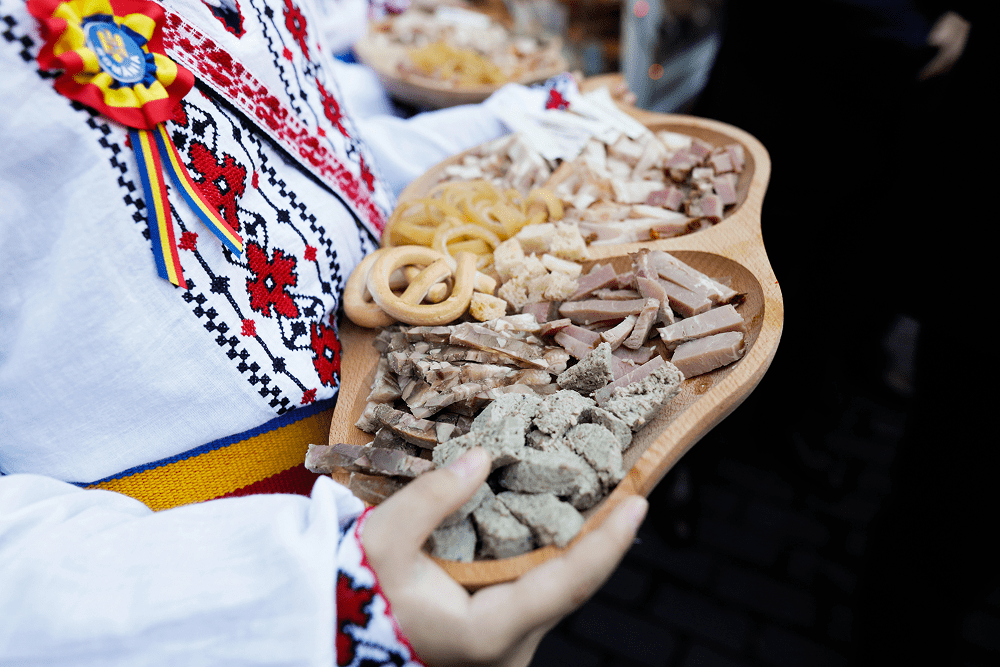
While Romania’s villages preserve the charm of age-old traditions, the capital city of Bucharest offers a dazzling modern take on the holiday spirit. Each December, the city transforms into a glowing winter wonderland, blending urban energy with cultural heritage.
Christmas markets and city lights
Bucharest’s Christmas Market, held in Constitution Square, is one of the most spectacular in Eastern Europe. Wooden stalls line the square, filled with local crafts, handmade ornaments, and traditional foods. Visitors can enjoy live concerts, hot mulled wine and the scent of roasted chestnuts in the crisp winter air. The city’s boulevards — especially Victoriei Avenue and Magheru Boulevard — sparkle with thousands of twinkling lights, creating a festive atmosphere that rivals major European capitals.
Cultural performances and concerts
Throughout December, Bucharest’s theaters and concert halls host special Christmas events:
- The Romanian Athenaeum offers classical concerts featuring carols and symphonic arrangements;
- The National Opera stages festive performances and ballets like The Nutcracker;
- Outdoor carol concerts and folk shows bring warmth to city squares, often performed by local choirs and children’s groups.
Gastronomy and modern celebrations
Restaurants and cafes across the city prepare seasonal menus that blend Romanian flavors with international influences. From sarmale and cozonac to gourmet reinterpretations of traditional dishes, Bucharest turns dining into a celebration of taste and creativity.
Ice rinks and winter attractions
The capital also embraces the playful side of the season. Ice rinks open in parks such as Herăstrău and Cismigiu, offering fun for families and visitors alike. The city’s museums and creative hubs organize winter fairs and workshops, where people can craft decorations or taste local delicacies.
In Bucharest, Christmas is both nostalgic and vibrant — a celebration where old traditions meet contemporary culture, creating an atmosphere that feels festive, artistic and deeply alive.
Romanian Christmas customs beyond Christmas Day
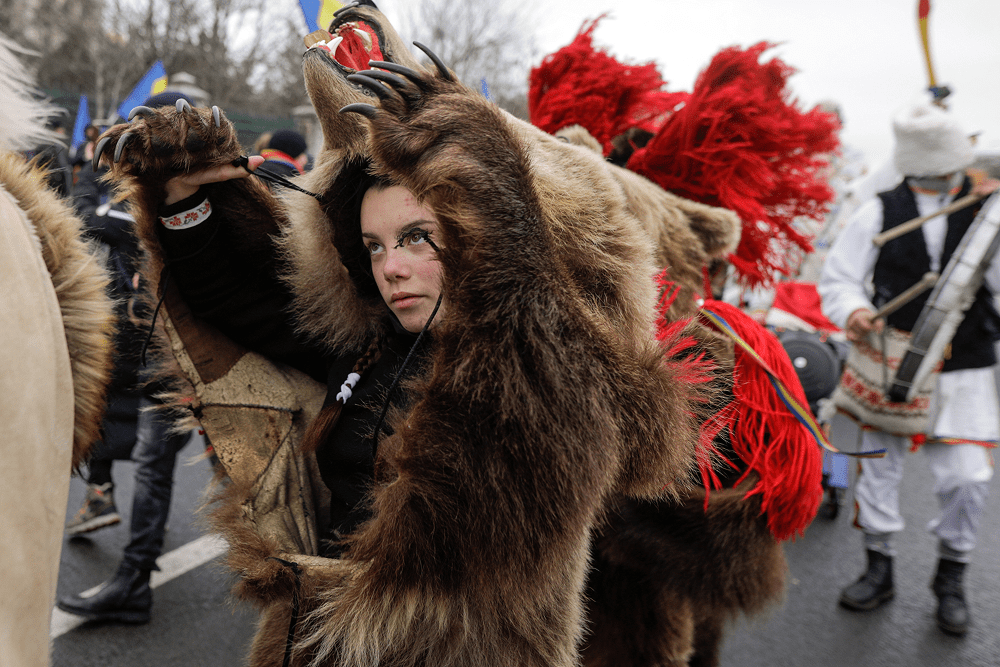
In Romania the festive spirit doesn’t end on December 25th. The Christmas season stretches well into January, filled with ancient customs and community gatherings that keep the magic of the holidays alive. These post-Christmas traditions blend religion, folklore, and rural heritage — offering a glimpse into how Romanians celebrate continuity, renewal, and gratitude.
| Celebration / Tradition | Description and customs |
| St. Stephen’s Day – December 27 | Two days after Christmas, Romanians honor St. Stephen (Sfântul Ștefan), the first Christian martyr. People attend church services and bring offerings in his memory. It’s also a day for forgiveness — families seek reconciliation and peace before the new year begins |
| New Year’s Eve – “Revelion” | As the year comes to an end, Romanians celebrate Revelion with exuberance and good cheer. Traditional dishes such as roasted pork, salată de boeuf and cozonac are shared with friends and family. Fireworks light up the sky at midnight and people make wishes for health and prosperity |
| The Goat, the Bear, and the Masked Dances | Between Christmas and New Year, many rural communities host colorful folk rituals like Capra (the goat), Ursul (the bear) and Mascații (the masked men). Performers dressed in elaborate costumes and animal masks visit homes, singing, dancing, and spreading blessings for the year ahead |
| Epiphany – January 6 | Known as Boboteaza, this day marks the baptism of Jesus. Priests bless water and homes and in many regions, brave men dive into icy rivers to retrieve a wooden cross — a symbolic act of faith and purification. It’s a celebration that closes the festive cycle with hope and spiritual renewal |
| St. John’s Day – January 7 | The Christmas season officially ends with Sfântul Ion, a joyful celebration honoring everyone named Ion or Ioana. It’s a day filled with laughter, visits and shared meals, where communities gather one last time before returning to everyday life |
These customs extend the meaning of Christmas far beyond a single day. They reflect Romania’s enduring bond between faith, nature and community — a festive journey that reminds everyone that joy, generosity and renewal belong to every season of life.
Welcome the new year in the heart of Transylvania! Celebrate New Year’s Eve at Valea Verde with festive dinners, live music and a cozy atmosphere surrounded by nature and tradition. Discover the New Year’s Eve offer at Valea Verde!
Experiencing authentic Romanian Christmas traditions today
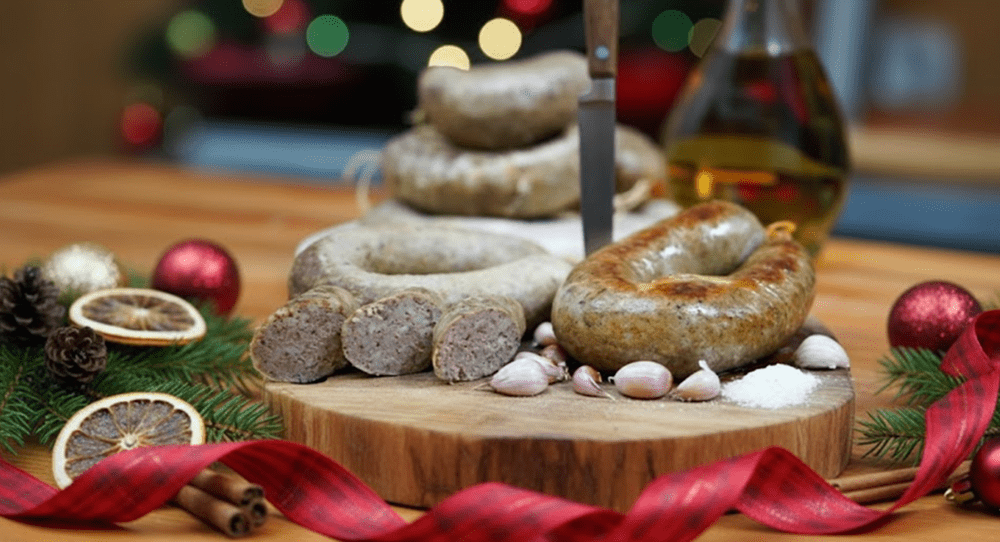
Today Romania offers travelers a rare opportunity — to step into a living tradition that has remained almost unchanged for centuries. While the world rushes forward, Romanian villages continue to celebrate Christmas with the same warmth, faith and community spirit that defined generations before.
Rural charm and community spirit
In small villages across Transylvania, Maramureș and Bucovina visitors can still experience the heart of a traditional Christmas. Locals open their homes to guests, inviting them to join in caroling, share homemade food and learn the meanings behind ancient customs. It’s not a staged performance, but a genuine expression of togetherness.
Cultural immersion and local crafts
Markets and workshops allow travelers to connect with Romania’s artistic heritage. Visitors can watch artisans carve wooden ornaments, weave textiles or paint icons — crafts that have been preserved for generations. Buying handmade gifts supports local communities and keeps these traditions alive.
The power of simplicity
An authentic Romanian Christmas isn’t about spectacle, but about sincerity. It’s in the quiet of a snowy morning, the echo of carols at dusk or the kindness of a shared meal. For travelers seeking meaning rather than luxury Romania offers an experience that nourishes both heart and soul.
Guesthouses and eco-retreats
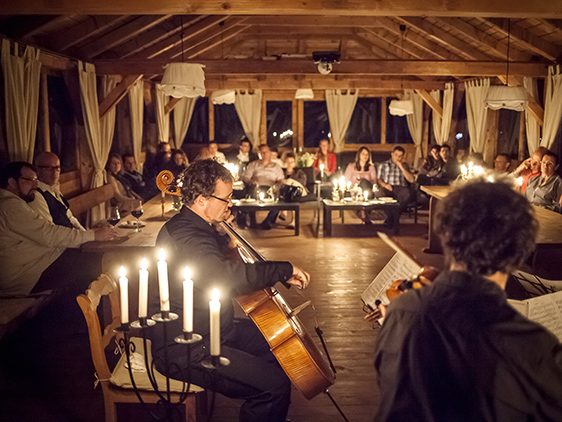
Places like Valea Verde have redefined the idea of sustainable travel by offering experiences rooted in local authenticity. Guests can take part in Christmas preparations — baking cozonac, decorating the tree or listening to folk music by the fireplace. These eco-retreats bridge the past and present, showing how traditional living can coexist with modern comfort.
Whether celebrated in a centuries-old village or a modern eco-retreat, the Romanian Christmas remains a celebration of connection — to nature, to community and to the enduring rhythm of life that continues to make this season truly magical.
Step into a fairytale winter adventure in Transylvania! Explore our horse-drawn carriage rides through snow-covered forests and charming villages — a truly timeless experience. Discover the magic of carriage rides at Valea Verde!
How to experience these traditions yourself?
To begin with
- Start small and authentic — choose one Romanian region, such as Transylvania or Maramureș, and plan your trip around the Christmas period;
- Book accommodation in a local guesthouse or eco-retreat like Valea Verde to experience real traditions, local food and community life;
- Take part in local customs — join carolers, attend a village church service, or try your hand at baking cozonac with locals;
Want more?
- Stay longer to explore several regions and discover how each area celebrates differently — from the Bear Dance in Moldova to the candlelit wooden churches of Maramureș;
- Visit during the days following Christmas to experience Epiphany and New Year’s rituals that continue the festive cycle;
- Support local artisans by purchasing handmade decorations or textiles that preserve traditional craftsmanship.
Quick checklist
- Choose your destination early — many villages fill up months in advance;
- Pack warm clothes and boots for snowy landscapes;
- Learn a few Romanian words — locals appreciate it;
- Bring a small gift for your hosts as a gesture of gratitude;
- Keep your heart open to simplicity, kindness, and the rhythm of rural life.
Experiencing Christmas in Romania is not about luxury — it’s about connection, authenticity and the joy of living traditions that continue to bring people together.
Frequently asked questions about Christmas in Romania
What makes Christmas in Romania different from other European countries?
Romania’s Christmas stands out because of its blend of Christian devotion and ancient pagan rituals. Many traditions — such as the Goat or Bear dances — date back to pre-Christian times and coexist harmoniously with the celebration of Christ’s birth, creating a unique cultural fusion rarely found elsewhere in Europe.
Is Christmas in Romania a good time for travelers?
Absolutely. December is one of the most atmospheric times to visit Romania. The country’s winter landscapes, festive markets and warm hospitality create an unforgettable experience. It’s ideal for travelers seeking both cultural immersion and peaceful winter scenery.
Are Romanian Christmas traditions still practiced by younger generations?
Yes, especially in rural communities and smaller towns. Many schools, youth groups and cultural centers actively preserve local customs, teaching children to sing carols, wear traditional costumes and perform folk plays. Urban areas have also embraced a modern version of these traditions through cultural festivals and local markets.
What are some lesser-known Romanian holiday customs?
One interesting tradition is the Steaua (The Star) procession, where children carry a decorated star symbolizing the one that guided the Magi to Bethlehem. Another is the blessing of homes by priests in early January, ensuring prosperity and protection for the coming year.
How can visitors respectfully take part in local celebrations?
Travelers are encouraged to observe and participate with openness and respect. Accepting homemade food or joining a caroling group is seen as a sign of appreciation. Dress warmly, be punctual for community gatherings and always ask permission before photographing people or ceremonies — these small gestures go a long way in honoring local customs.
Photo sources: DepositPhotos, fotografii generate cu AI